Industries and company structure – World market leaders and SMEs in close proximity
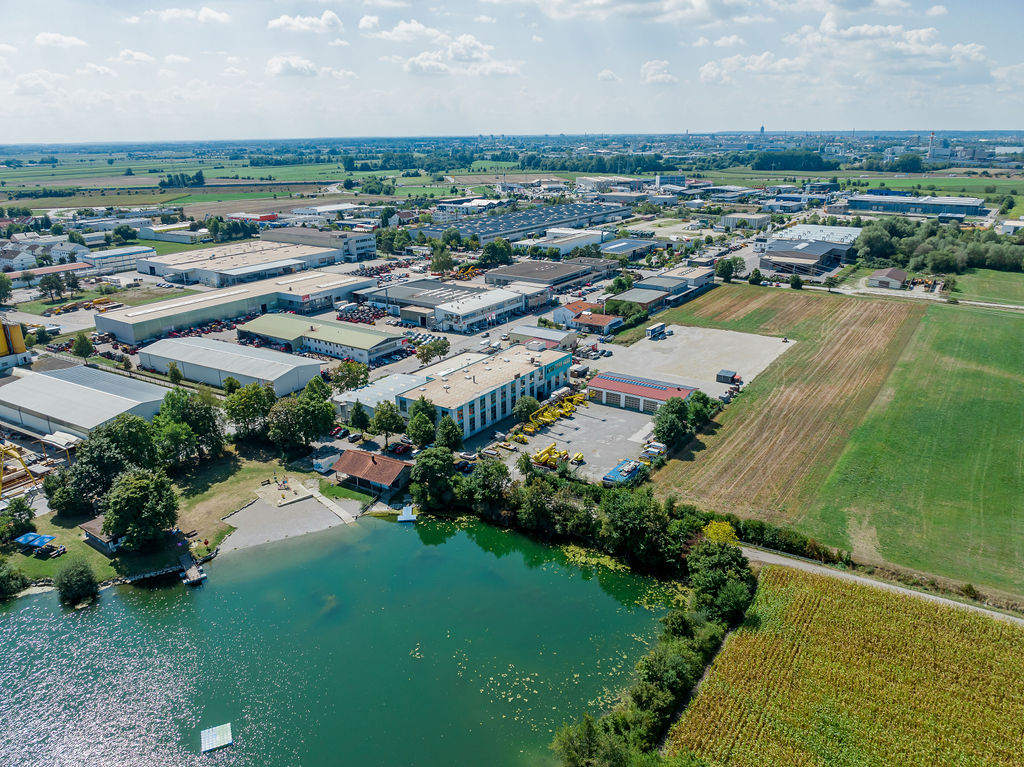
The future location of Augsburg is home to numerous companies from a wide range of sectors - including fibre composite technology, aerospace, mechatronics and automation, logistics, environmental technology, communications and information technology/ICT as well as the cultural and creative industries. These include global market leaders such as KUKA and MAN, but also innovative start-ups and small and medium-sized companies, often so-called hidden champions, which form the backbone of the economic area. With the founding of the medical faculty at the University of Augsburg in 2019, the importance of the service sector and the healthcare industry is also increasing. Furthermore, the logistics sector is the second largest employer in the region and, thanks to its top location with the Augsburg freight transport centre, the hub of European logistics. The economic region is home to around 62,000 companies and numerous research institutions. Future topics and projects in areas such as digitalisation, resource efficiency, lightweight construction, Industry 4.0, healthcare and technologies for demographic change are shaping the area in A³.
Corporate networks and clusters – Synergetic environment and high dynamics
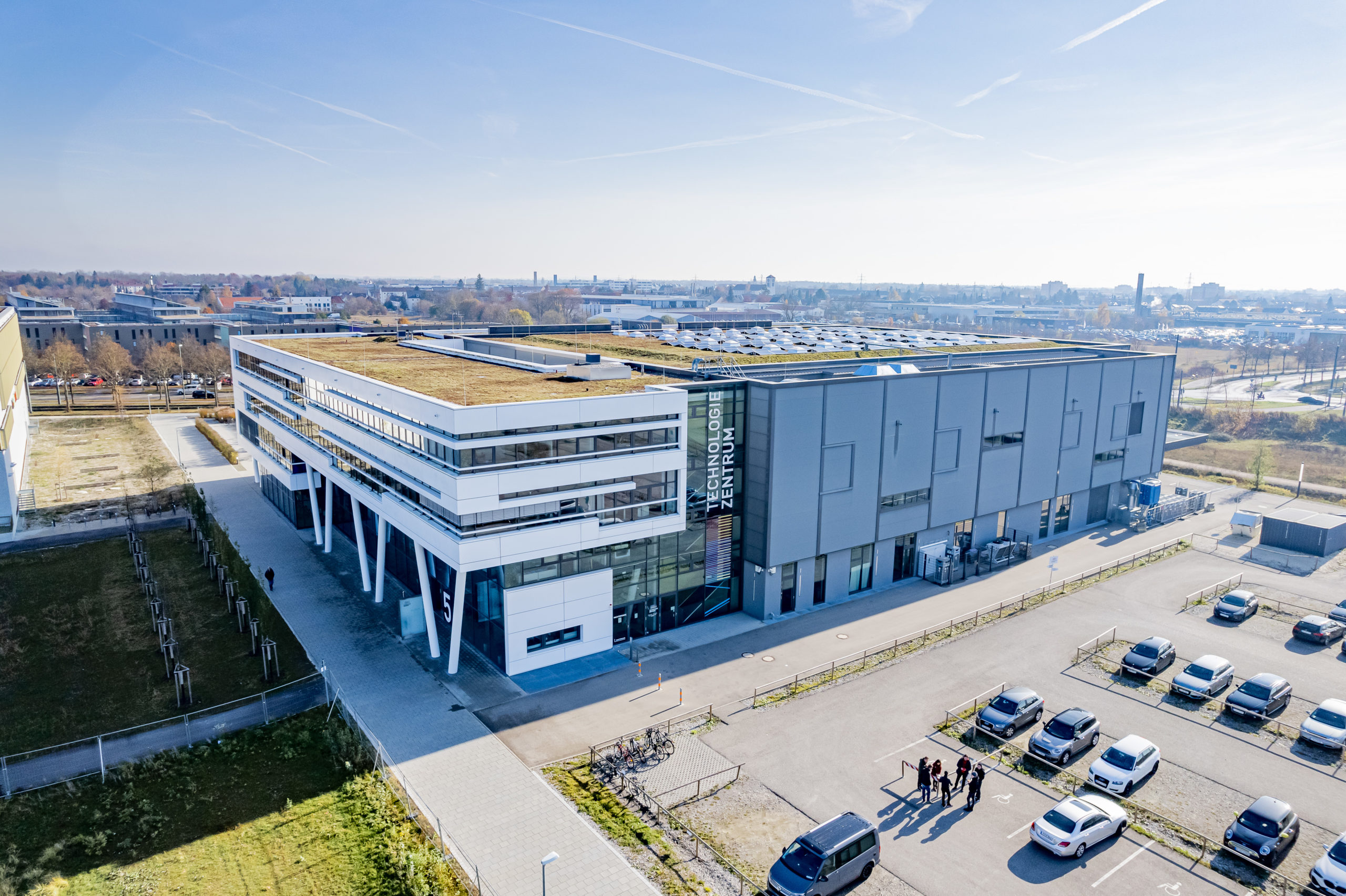
A³ is the best networked region in Germany. With top clusters such as MAI Carbon, Mechatronik & Automation and the Umweltcluster Bayern, companies in the region are located directly at the sources of knowledge. Brownfield and innovation parks offer a synergetic environment. A centre for research and development has been growing for years, particularly at the Augsburg Innovationpark and the technology and start-up centres. These offer platforms for specialised cooperation and spatial integration and have an above-average start-up rate.
Business registrations – Business registrations in the business region Augsburg A³ (2021)
The first-class start-up location, with a highly dynamic start-up scene, recorded over 5,300 start-ups in 2020. The region is not only attractive for business founders and start-ups thanks to the prevailing framework conditions, such as infrastructure, support services and networking, but also due to the economic structures with a focus on production. While business registrations in the entire Augsburg economic region have increased slightly in recent years, business deregistrations have fallen continuously over the past few years. In a Germany-wide comparison of major cities, Augsburg is in 6th place in terms of business balance.
Employees in research and development – The future is made here
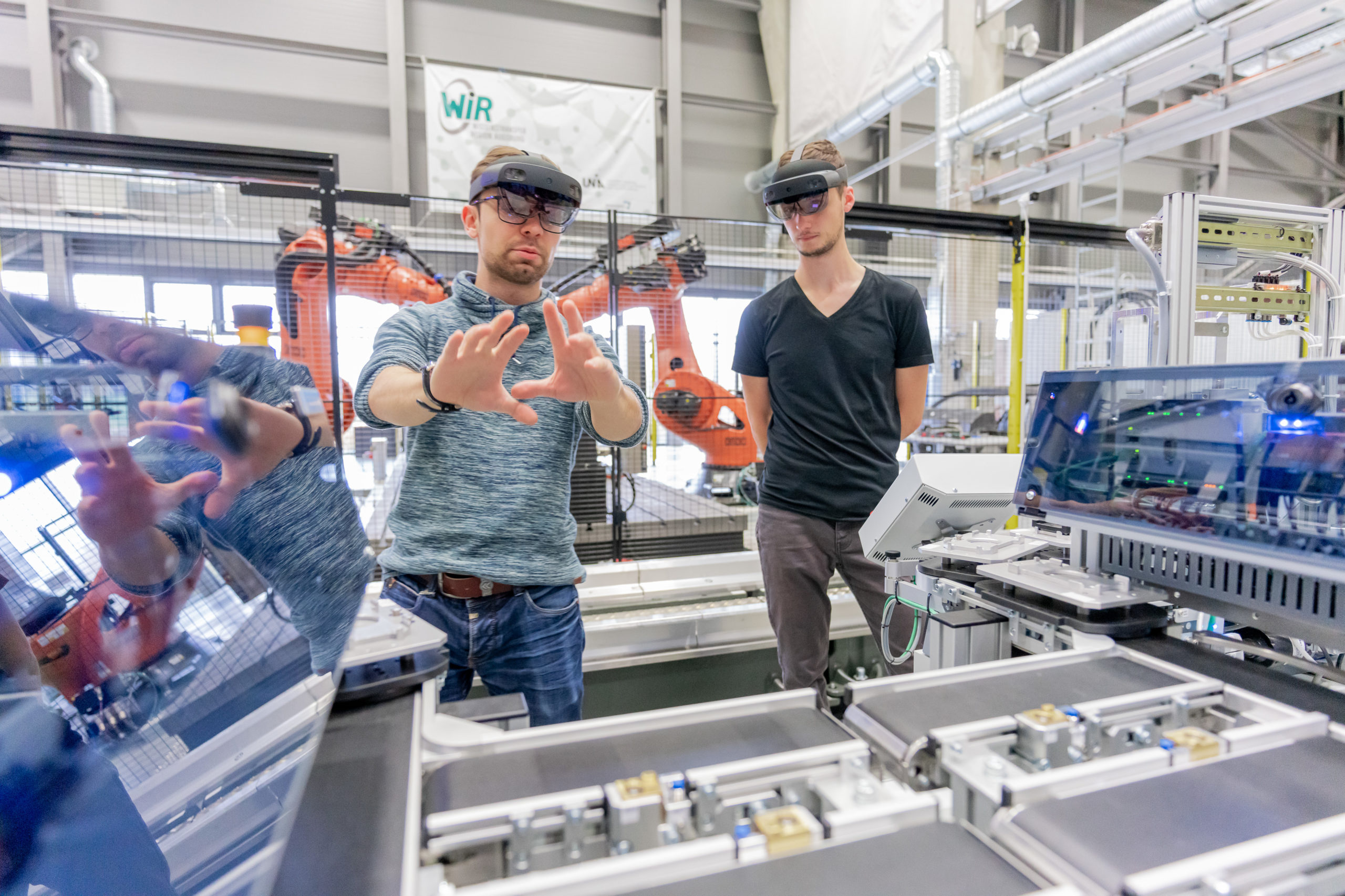
Between 2013 and 2017, the number of employees in research and development more than doubled from around 2,000 to 4,112 in the Augsburg region (including Dillingen and Donau-Ries). This corresponds to an increase in R&D employees of 100 per cent - and the trend is rising. The density of research and transfer institutions as well as specialised professorships in the Augsburg economic region has been increasing for years and is networking the research landscape in the region. Financial support through research and development expenditure for innovative projects makes an important contribution to future progress. In recent years, companies in the Augsburg economic region have been increasing their R&D expenditure.
Contact person – Have you got any questions?
Lena-Marie Buhler