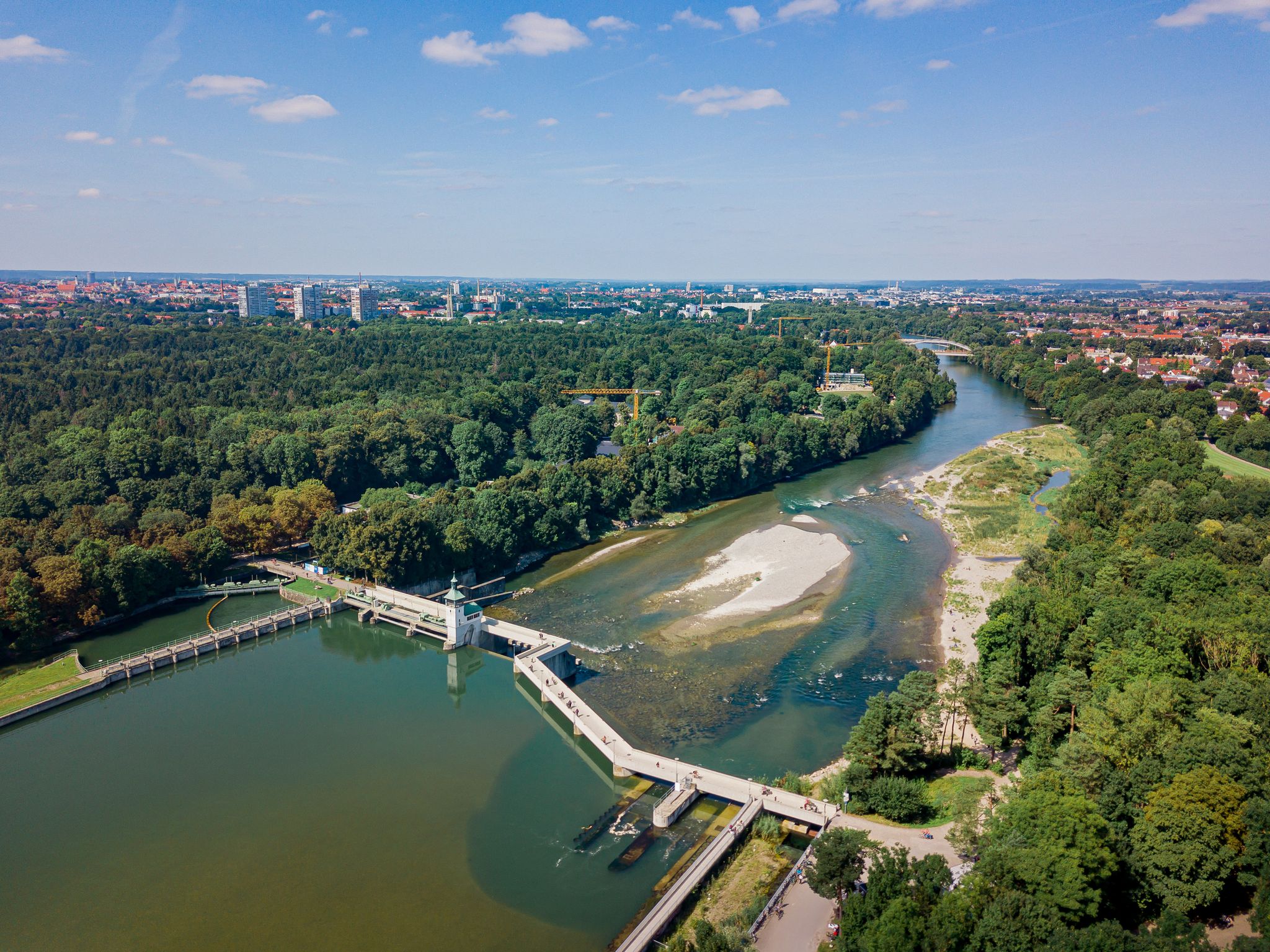
Success story: Industrial heritage Water – Innovation. Progress. Water.
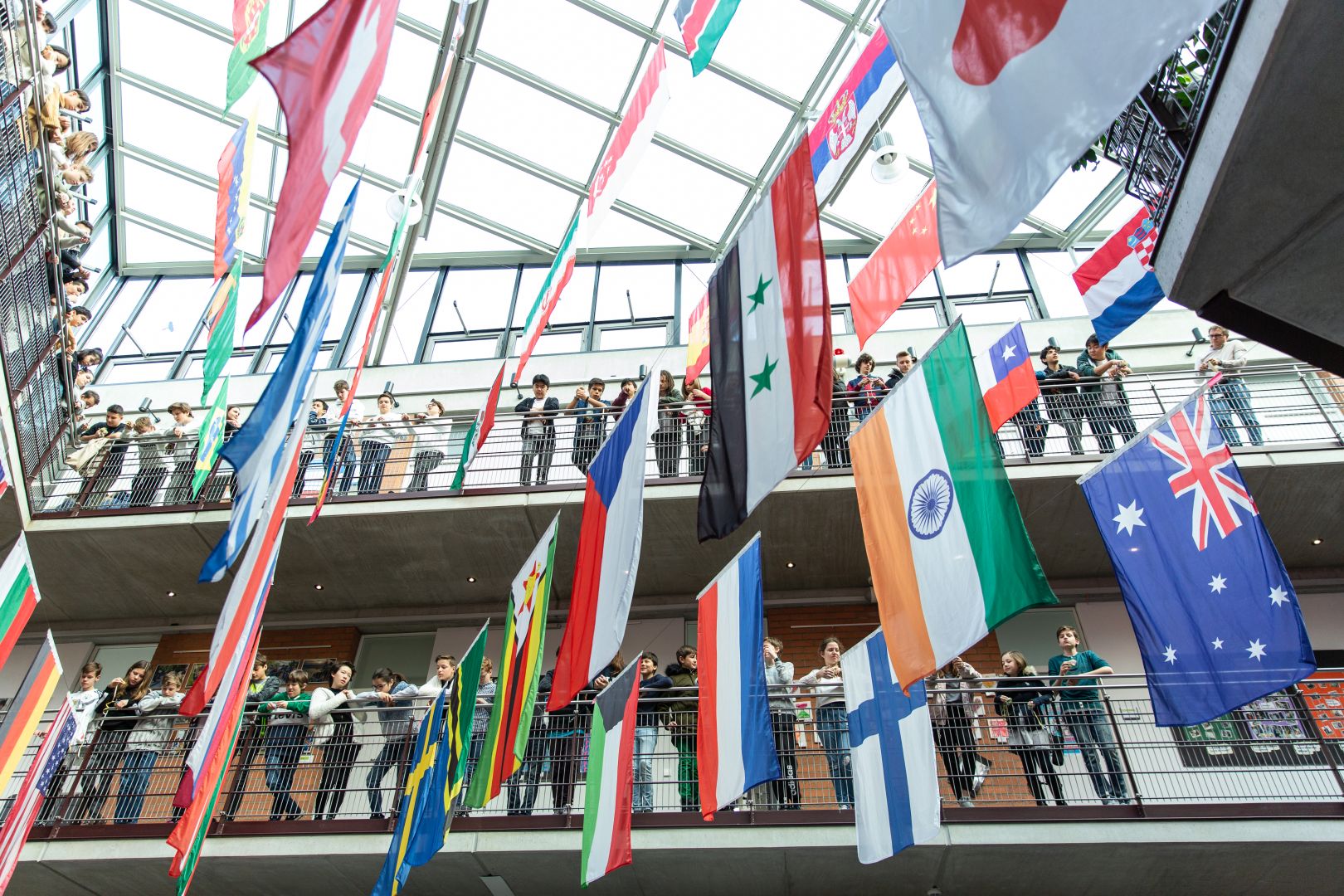
Success story: International School Augsburg – International location, international education
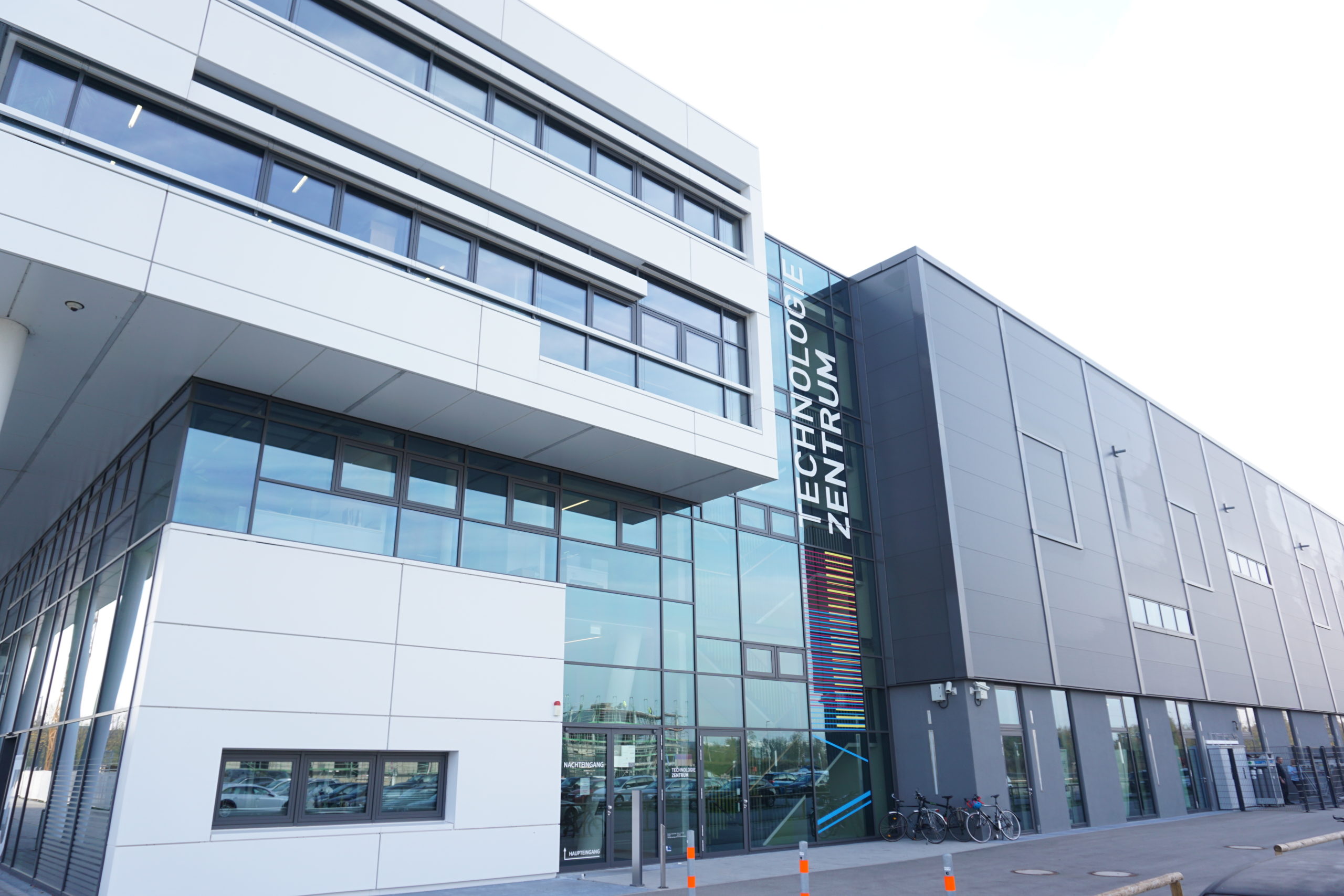
Success story: Augsburg Innovation Park – Mammoth project with vision
Transport – The best networked region in Germany
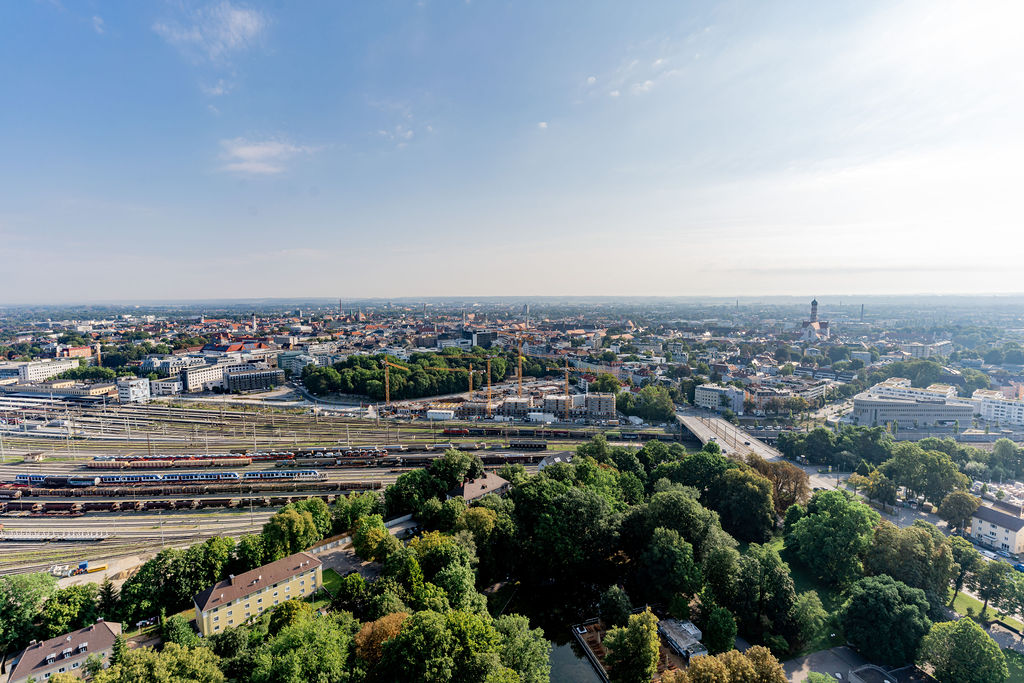
The business location A³ is centrally located in Europe, on the Scandinavian-Mediterranean and France-Hungary European rail freight transport axes, as well as in the middle of the southern technology axis and thus part of the Munich metropolitan region. The A8 motorway and the B2, B10, B17 and B300 federal highways also offer high-quality transport links to other economic centres and form the basis of an ideal logistics location.
The third largest conurbation in Bavaria has a business airport. Two international airports, Stuttgart and Munich, can be reached within an hour, while Munich's main railway station can be reached by ICE in just 26 minutes. With the Augsburg City - Central Station project, another milestone is currently being laid for a modern and lively city. Following the conversion of Königsplatz, the main railway station is due to be completed in 2024 as a mobility hub for local, regional and long-distance transport. The region's bus and tram network extends from the city to the surrounding area and provides excellent connections. The basic structure of public transport in the region consists of six regional railway lines with a route length of 217 kilometres. The Augsburg Transport Association (AVV) records over 67 million passenger journeys per year.

The business location A³ is centrally located in Europe, on the Scandinavian-Mediterranean and France-Hungary European rail freight transport axes, as well as in the middle of the southern technology axis and thus part of the Munich metropolitan region. The A8 motorway and the B2, B10, B17 and B300 federal highways also offer high-quality transport links to other economic centres and form the basis of an ideal logistics location.
The third largest conurbation in Bavaria has a business airport. Two international airports, Stuttgart and Munich, can be reached within an hour, while Munich's main railway station can be reached by ICE in just 26 minutes. With the Augsburg City - Central Station project, another milestone is currently being laid for a modern and lively city. Following the conversion of Königsplatz, the main railway station is due to be completed in 2024 as a mobility hub for local, regional and long-distance transport. The region's bus and tram network extends from the city to the surrounding area and provides excellent connections. The basic structure of public transport in the region consists of six regional railway lines with a route length of 217 kilometres. The Augsburg Transport Association (AVV) records over 67 million passenger journeys per year.
Digitisation – 5G expansion continues to be driven forward
The business location is continuously investing in the expansion of its digital infrastructure. Broadband capacities of up to one gigabit per second are already being achieved. The nationwide 5G expansion is being further promoted and makes even faster data transmission possible. In some locations in the districts and the city of Augsburg, mobile phone providers such as Vodafone and Telekom have already put new 5G mobile phone stations into operation at the beginning of 2022. In addition, the expansion of 5G and LTE (4G), especially in rural areas, is constantly being driven forward and is an important step towards a modern and networked world. 5G accelerates the Internet of Things, provides a boost for Industry 4.0, for example, and thus further advances the areas of expertise in the Augsburg economic region. This means that the networking and control of production, storage and logistics can be optimised. It will also pave the way for a further step towards the smart city, including in the area of urban management.
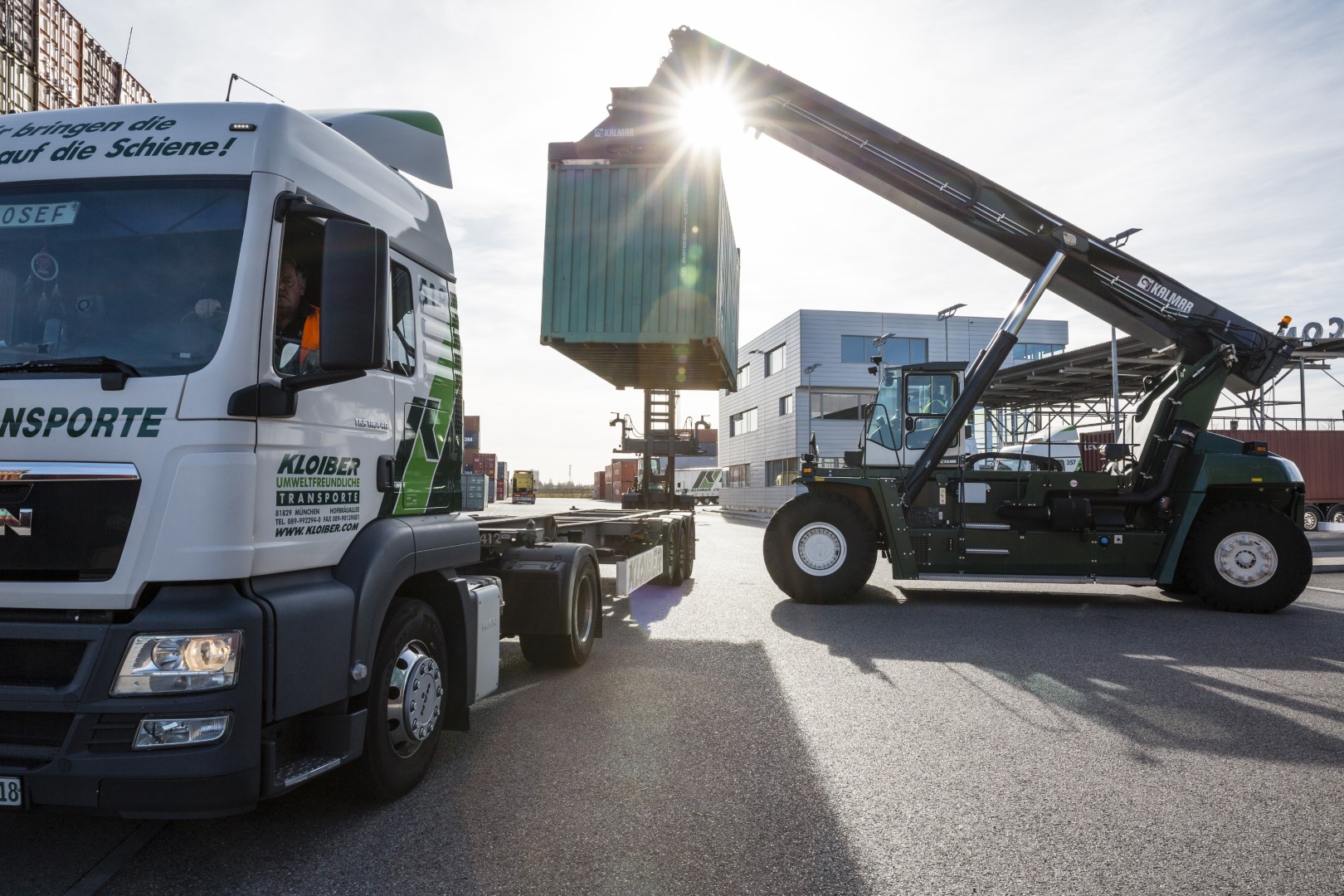
Logistics – The centre of the region
In terms of logistics infrastructure, the A³ region is particularly noteworthy. The Augsburg Freight Village (GVZ), which acts as a freight hub for the Swabian region, hinterland location for seaport traffic, hub for Alpine transit, rail connection to the Mediterranean ports and Spain, is located in the region. It is centrally located on rail and road connections and promotes cooperation and division of labour between the companies based here thanks to its close proximity. The GVZ of the Augsburg region and logistics settlements south of the metropolis in Kleinaitingen and Graben, in the district of Augsburg, indicate that the sustainable infrastructure will become even more attractive. Thanks to its central location, the site has developed into an important logistics hub in southern Germany. Since 2005, logistics employment in the region has grown disproportionately and is therefore above the German average. This has benefited the surrounding area, among others, where the logistics companies are generally based.
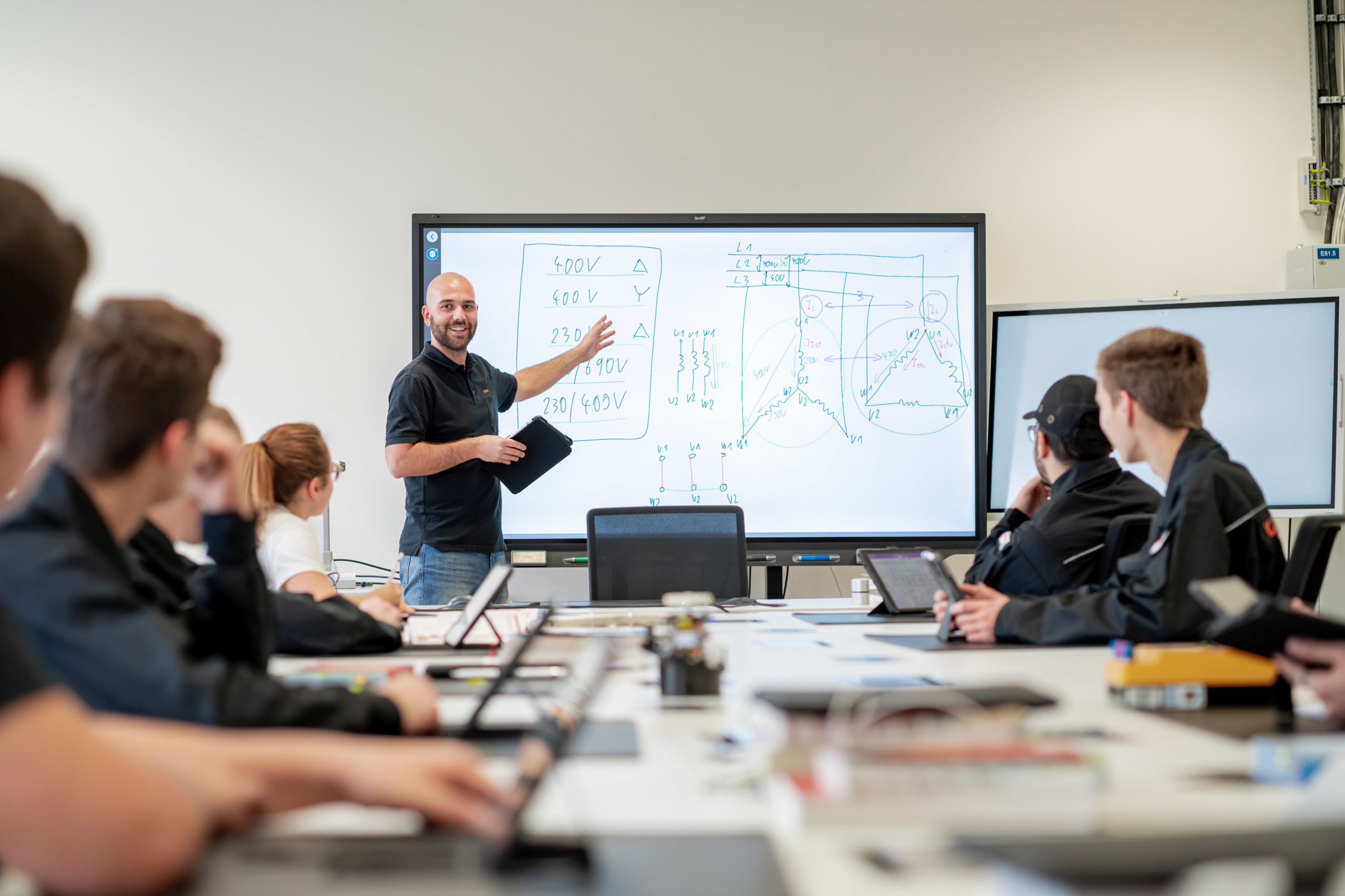
Education – Education at the highest level
In the A³ region, knowledge, information, education and the transfer of expertise take centre stage. From a wide range of schools to vocational colleges and universities, including the University and the International School, there is plenty on offer. There is also a lot on offer in terms of training and further education. Many new apprenticeships are created in the A³ region every year. Together with numerous institutions for adult education and further education, they form the basis for Augsburg as a powerful centre of education and knowledge.
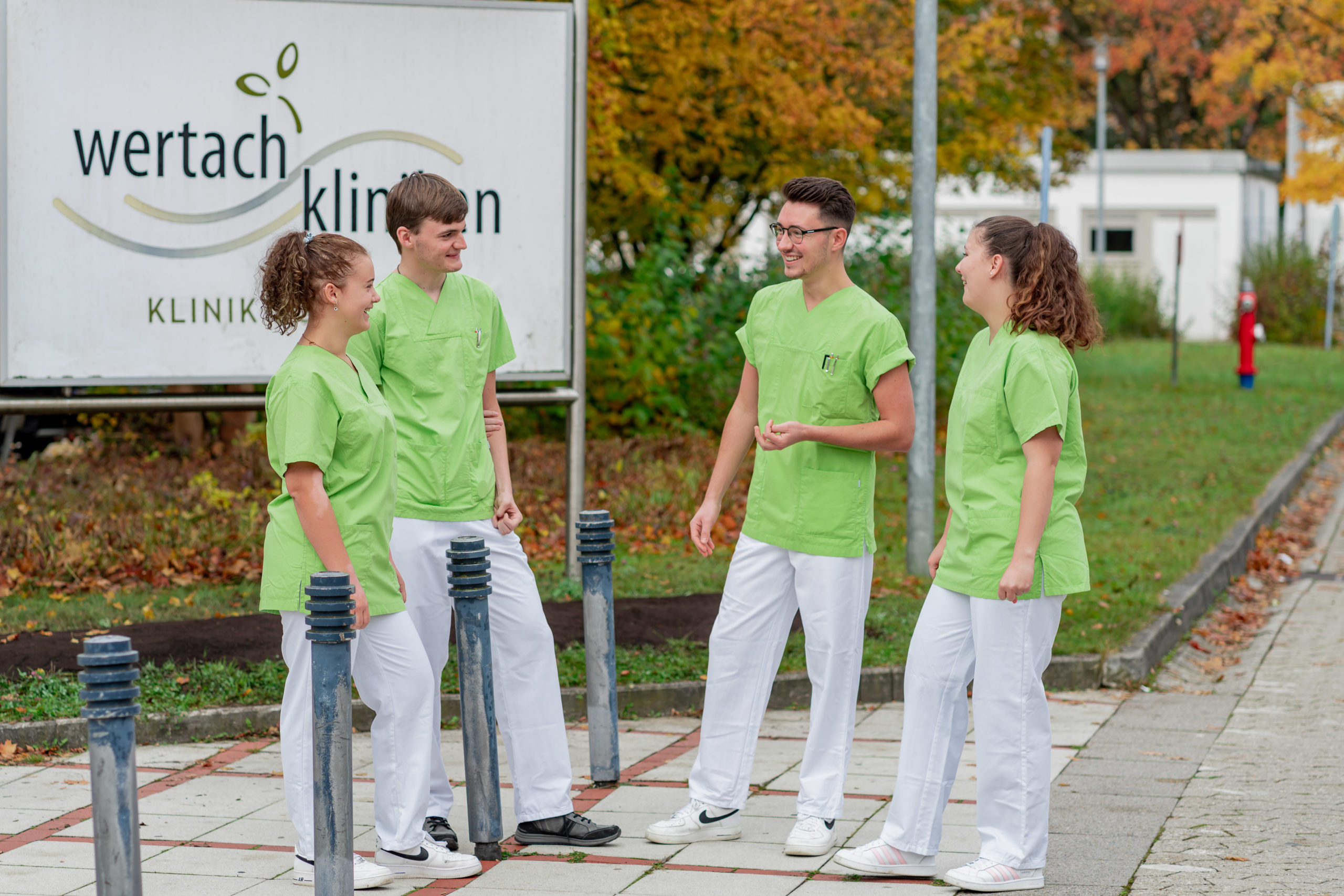
Medical care – Healthcare infrastructure
The healthcare infrastructure in the Augsburg economic region is above average. It offers well-developed inpatient and outpatient care of high quality and safety. A³ has the newest university hospital in Germany. There are plans for a state-of-the-art new hospital building with a planned separation of emergency and elective medicine. A new understanding of medical care is being established in the form of a new building. With numerous other hospitals, such as the ‘Kliniken an der Paar’ in the district of Aichach-Friedberg or the Wertachkliniken in the district of Augsburg, medical care centres, the state health authority, medical on-call services, institutes and companies, maximum care in the Augsburg economic region is comprehensive and of a high standard. This also includes specialist clinics such as the Hessing Clinics in Augsburg, one of Europe's leading centres of excellence for orthopaedics. Digital services such as the Augsburg district health portal make it easy to find regional healthcare providers.
Facts & figures – Population development and forecast* in A³, 2011, 2024, 2025 and 2035
The Augsburg economic area is growing steadily. In particular, immigration, both from other regions of Germany and from abroad, contributes significantly to regional growth and thus also secures the labour force potential. In addition, the Augsburg region remains attractive as a centre of education and a university location, especially for young people.